
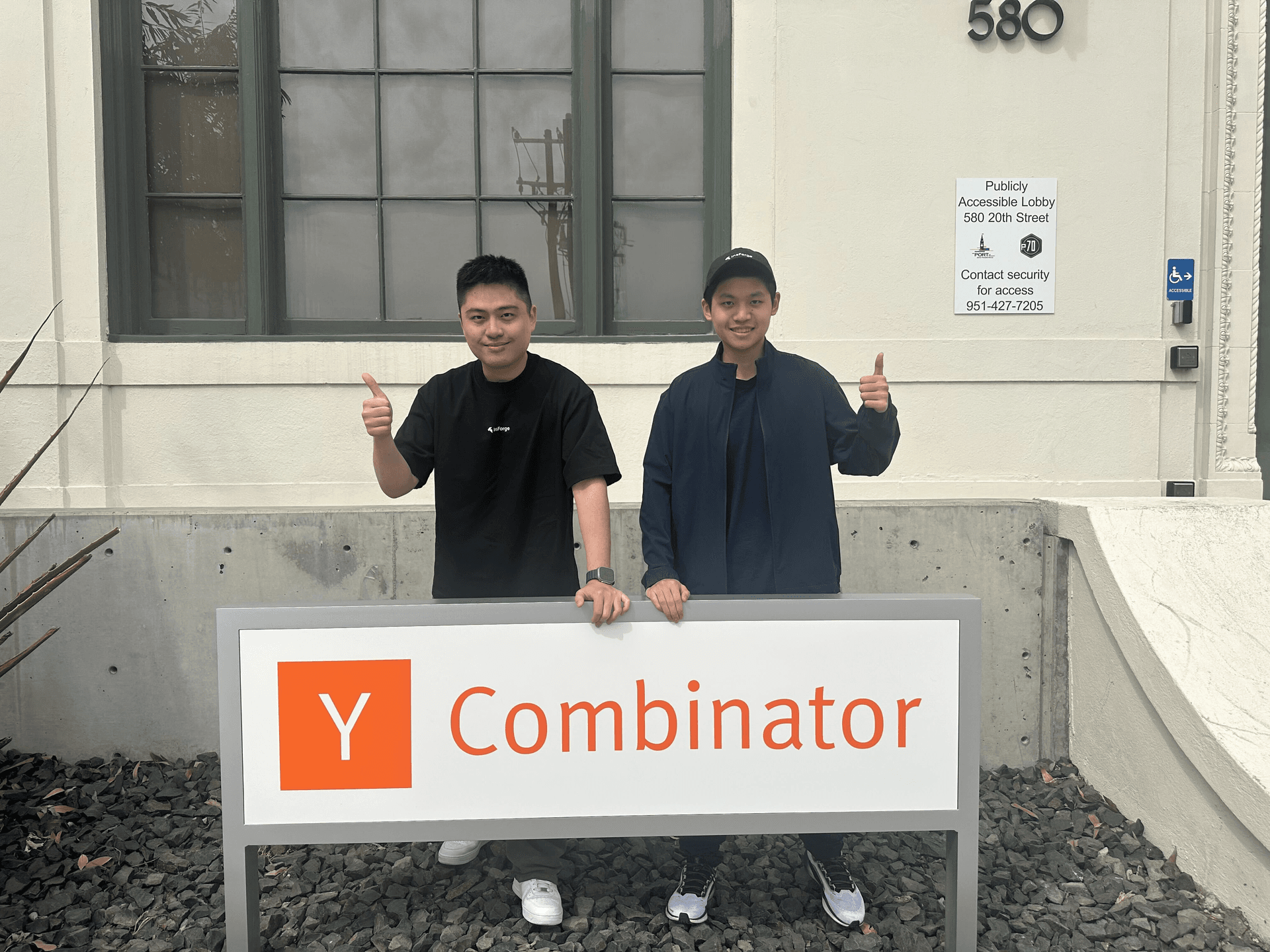
After applying to YC 6 times and receiving 6 rejection emails, we finally got in! And we actually got in on the 6th try, where we turned a rejection into an admission offer.
6 Applications
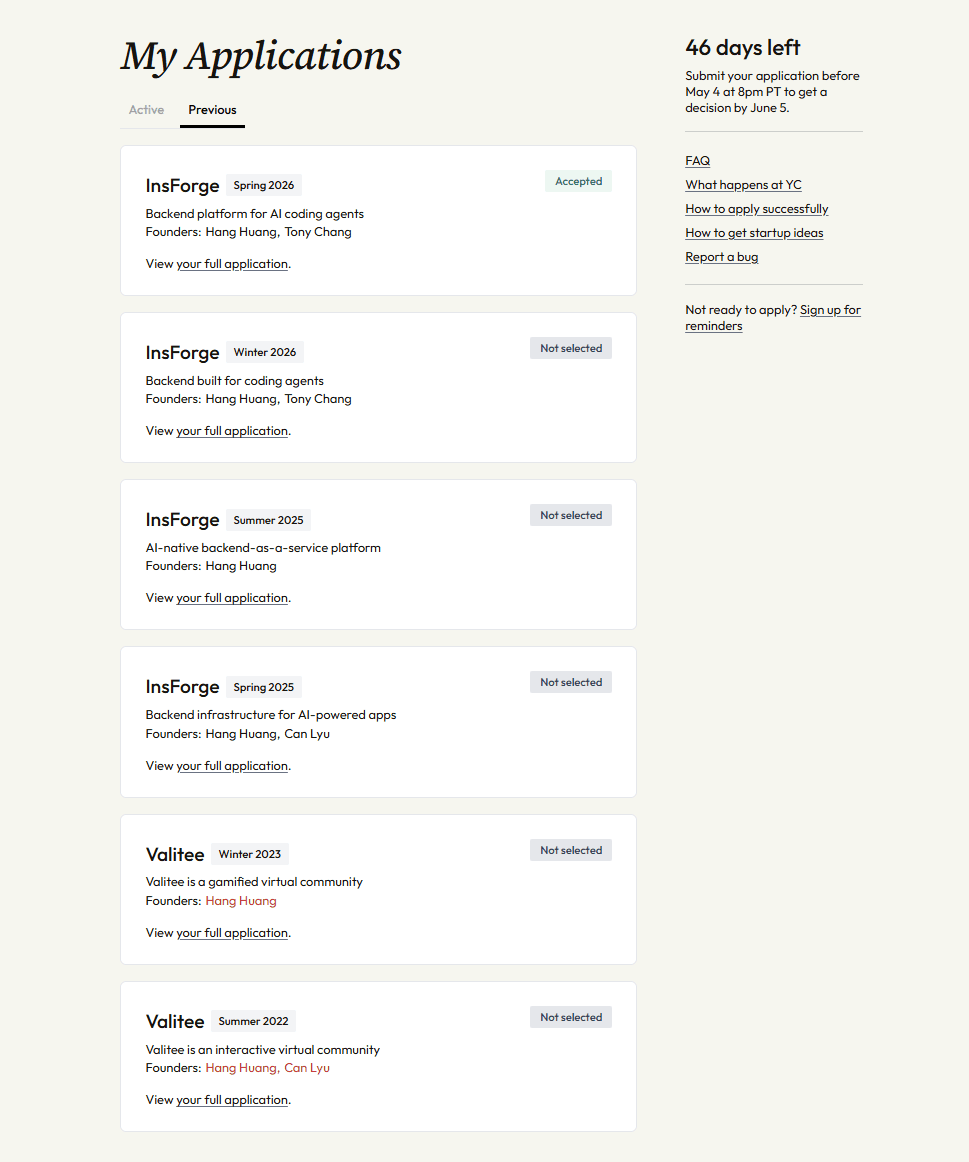
The first 2 rejections were expected, since back then it was basically just startup performance art: acting like founders, building something we thought people would want, and refusing to talk to users. We were living in a daydream.
For the idea of InsForge, we submitted 4 times. As you can tell from the tagline in our application, we stuck with this idea all 4 times, although we tweaked the narrative slightly over time.
The reason we kept sticking with InsForge was straightforward: we wanted this product so badly, and we were stubborn enough to believe this is the future. Or maybe you can just call us lazy developers who want AI to handle everything.
So we kept applying.
But honestly, it was hard. After every rejection, we had an internal meeting to debrief the YC process, and every single time, the biggest topic was the same: should we pivot or stick with it? We had huge disagreements around that every time.
Pivot or Stick?
The first few rejections were kind of okay, since we were not even invited to interview. So our reaction was mostly just: okay, back to building, apply again next time.
The hardest one was the 5th application.
We submitted 20 days past the deadline, on Thanksgiving day lol. We did not expect to hear back at all. But a few days later, on the morning of 12/1, we got an email inviting us to interview the very next day, on 12/2.
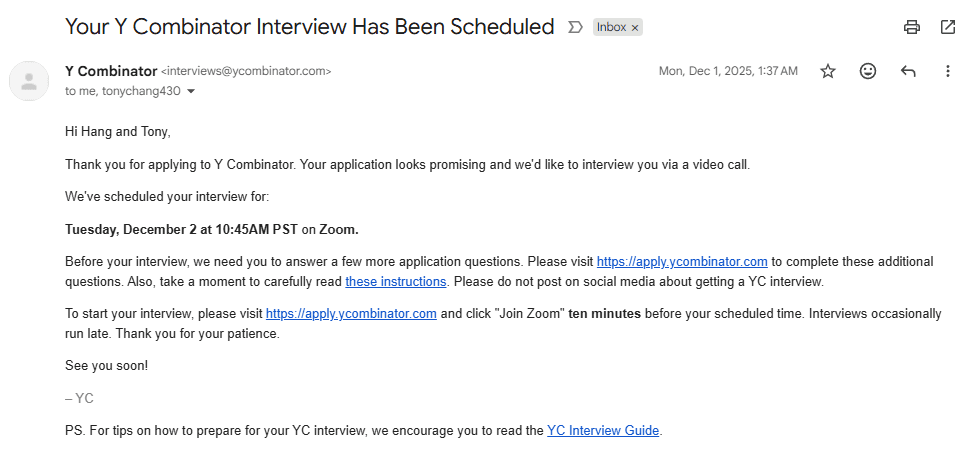
We were so excited. WTF, this was our very first YC interview, but how were we getting one 20 plus days after the deadline???
Anyway, time was ticking. We had only 24 hours to prepare, so Tony and I immediately blocked our calendars, booked a room with a whiteboard, and started grinding for the interview.
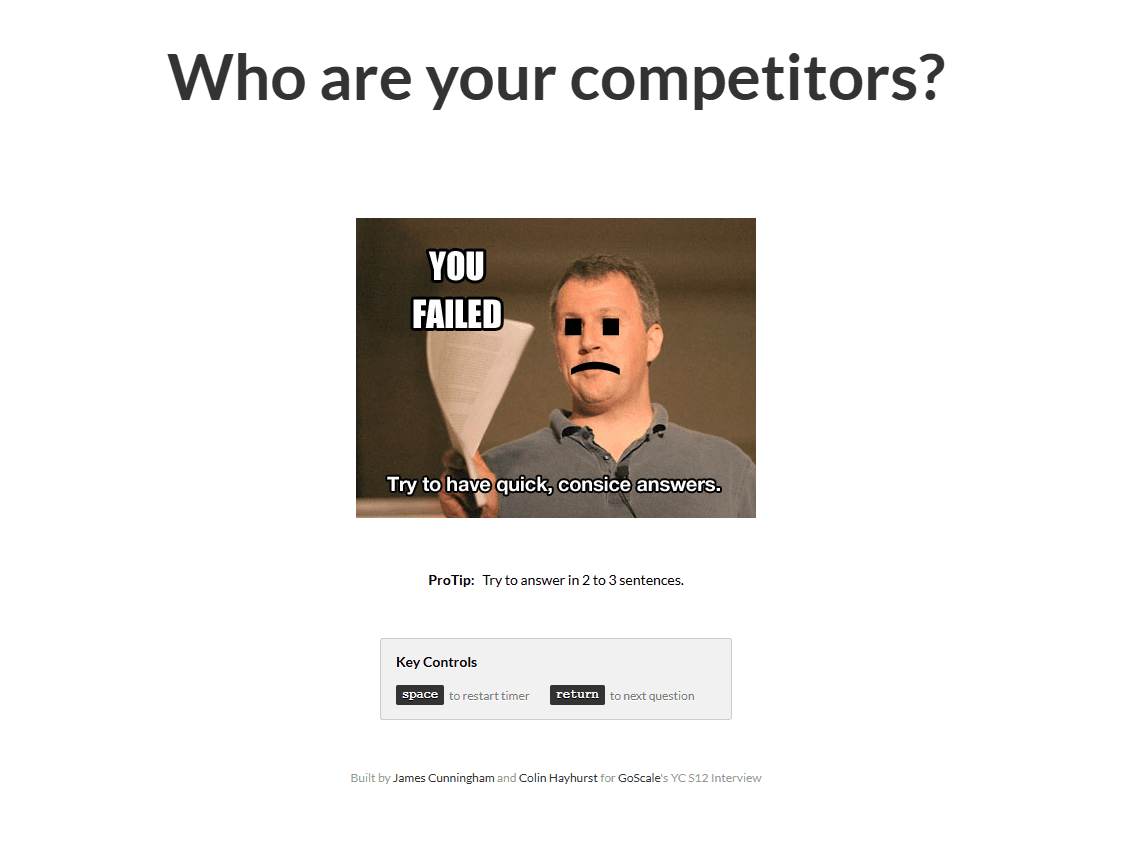
We wrote down every possible question YC might ask, grouped them into categories, and spent the whole day using the famous YC interview prep tool, 15s YC Prep, over and over and over again until we were completely exhausted.
The interview process was much more back and forth than we expected. After the first interview, we were asked to do a follow up interview, which turned into another 30 minute deep dive on our users and product.
But after all that, we got a rejection email.
The reason was pretty straightforward: we were only making $300 per month, and the YC partner Jon Xu did not think we had a clear path to selling to enterprise. That kicked off another internal debrief: Jon made a fair point, should we pivot or stick with it?
We had a huge disagreement, but eventually we decided to talk to our active users first, really understand who they were and why they were using InsForge, and then decide whether to pivot.
So we immediately started sending DMs and emails, and ended up doing 20 deep interviews with users.
And surprisingly, we found that our users were AI native small teams and startups, and they actually deeply loved InsForge. That was the moment we knew we were building something people wanted. So forget enterprise clients!
Applied Again, Rejected Again
Once we had a much clearer understanding of our ICP, the next question was: how do we find 10x or 100x more users like them?
So we analyzed our acquisition channels and found that most of our users were coming from X. That meant we needed to double down on building in public on X, or you could just call it shitposting. And it worked!
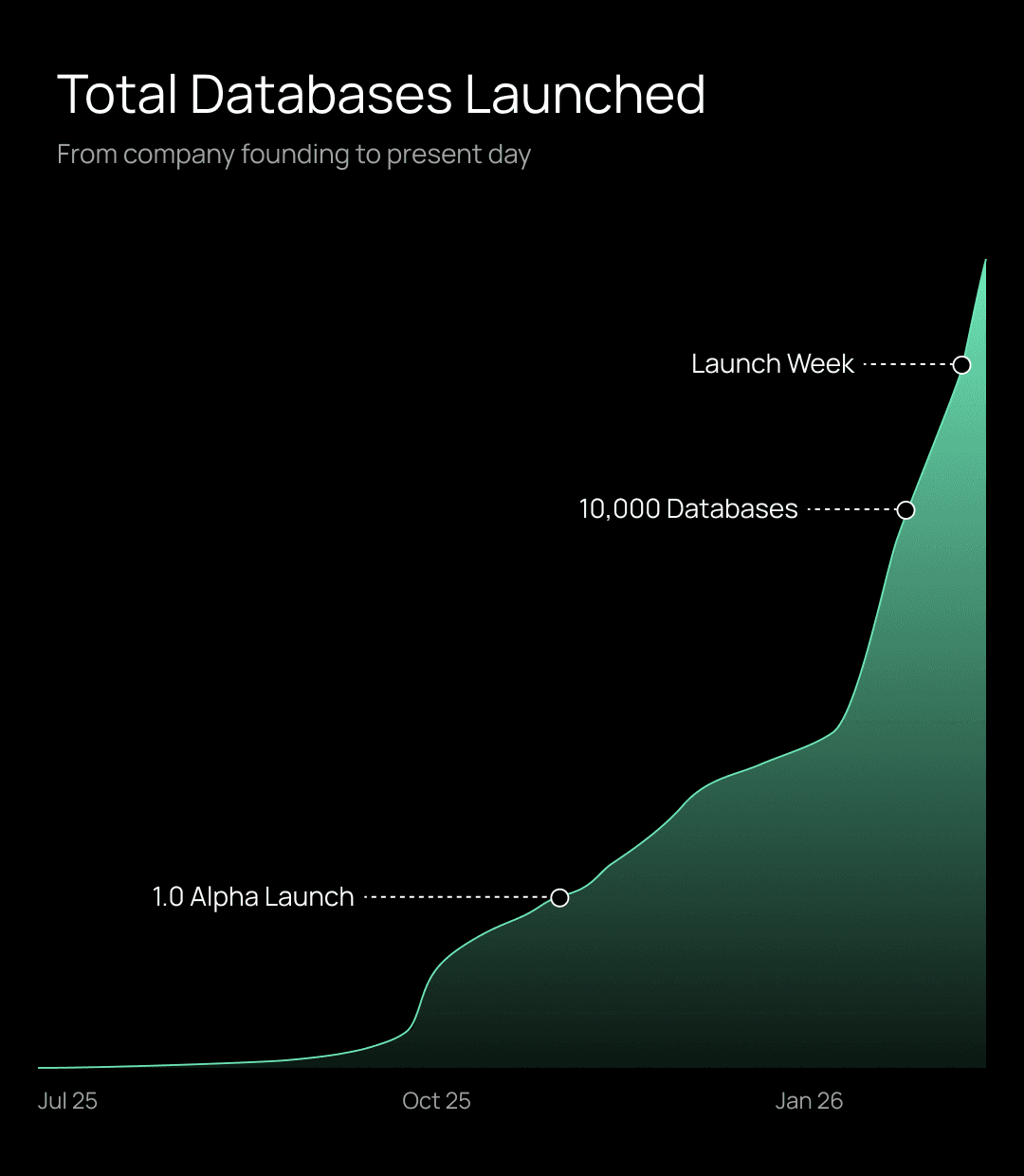
With that strategy, we doubled the number of databases hosted in 2 months, from 2,300 in November to 4,000 plus in January. At that point, we felt it was time to apply to YC again with our latest progress.
As expected, we got the interview!
And then... we got rejected again.
This time, the reason was that we were competing in a crowded category with strong incumbents like AWS, Railway, and Supabase. We had not yet proven that we had a strong enough moat, or enough escape velocity, to win.
Uno Reverse Card: Rejection to Admission
The 6th rejection was brutal. We had tried so hard, and we had grown much faster, but we still got rejected.
But the good thing was that, with our latest progress and traction, we knew we were building something people wanted. So this time, in our post YC interview debrief, we never even talked about pivoting.
The whole conversation was about execution: how could we execute better and prove that the need for this product was real?
So the question became: what did all these amazing devtool companies do to make developers care? Oh. Launch Week!!!
So the conclusion was straightforward: let's do our own Launch Week.
We picked March 9 as the date, because we needed at least a month to plan everything. And once the date was set, we went into ultra work mode.
After 30 days of hell, we launched InsForge Launch Week 1.
And it took off. Like, really took off!!!
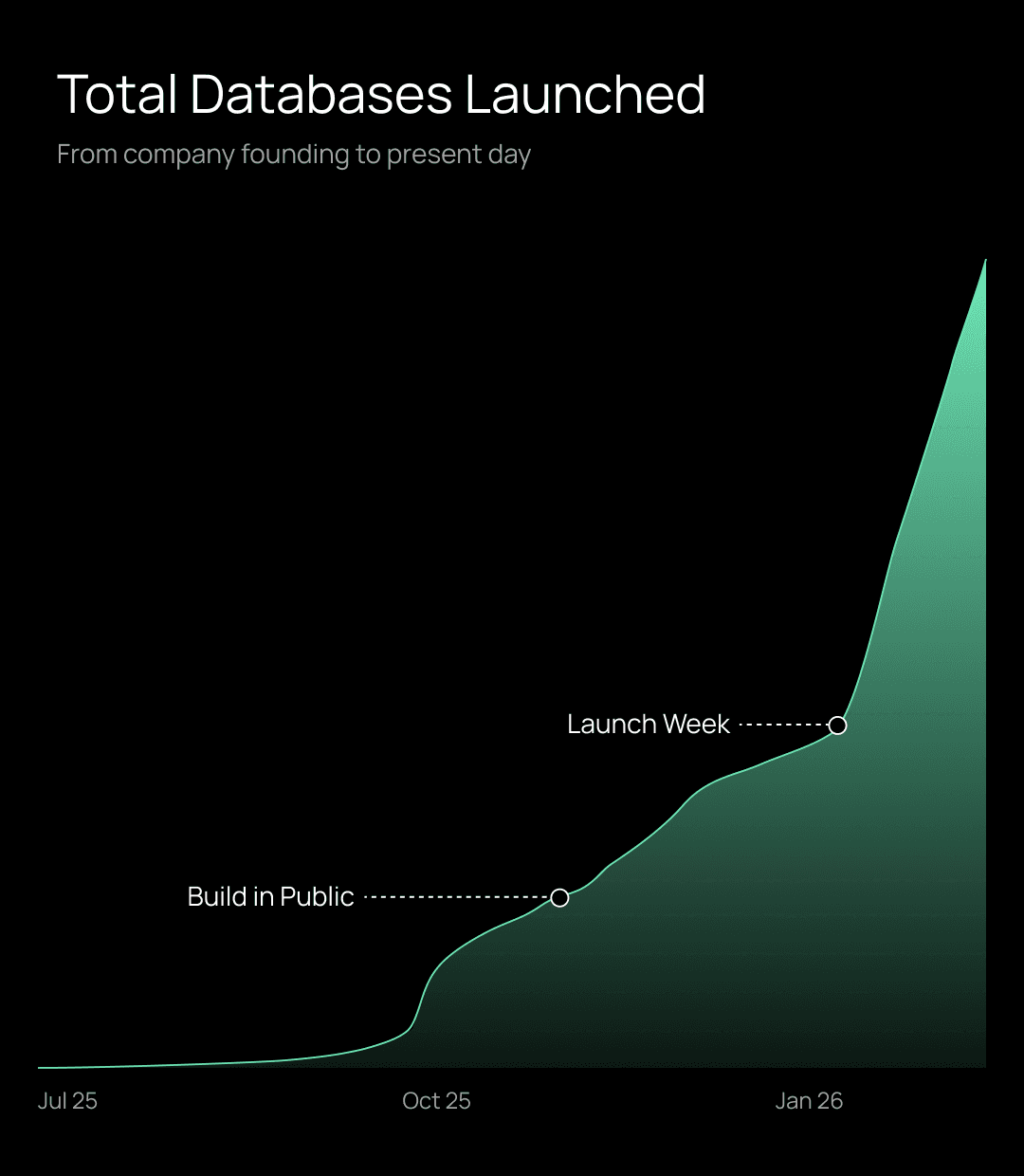
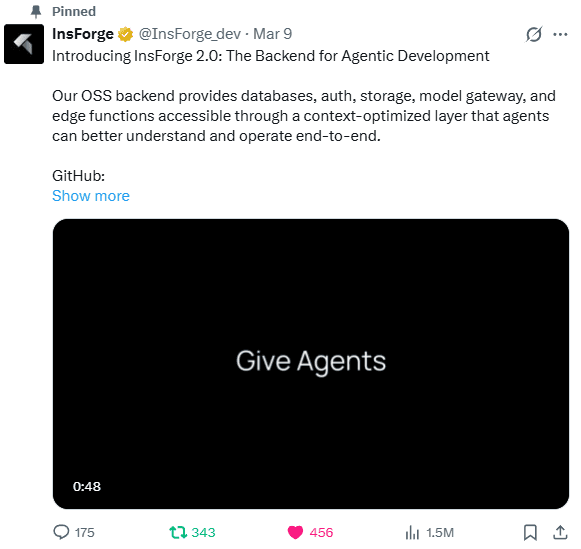
We hit 1.5M plus impressions on X
#1 on Product Hunt

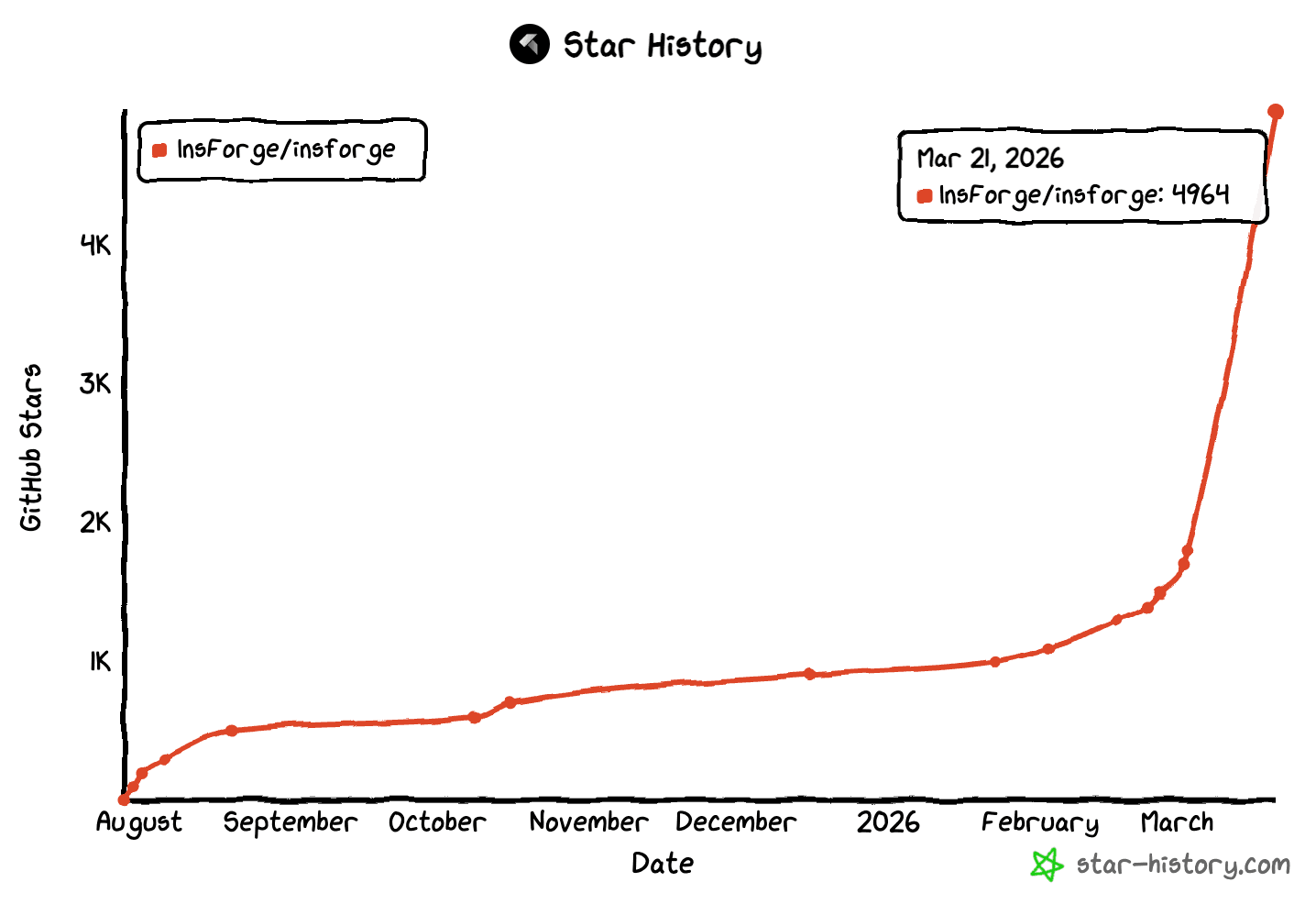
#1 on GitHub Trending, gaining 3K plus stars in one week
And the most surprising part was that we got an email from Andrew Miklas at YC asking for a catch up meeting!
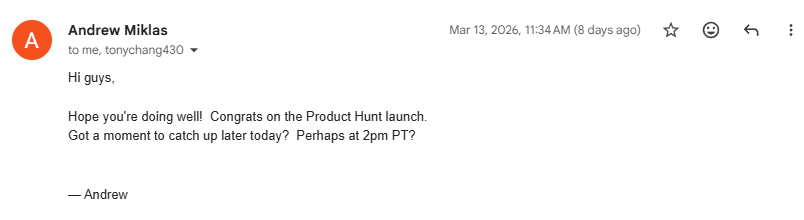
We immediately got nervous. Was this another interview? How should we prepare???
But the meeting was in 2 hours, so there was basically no time. We decided to just do it with zero prep.
Right after the meeting started, Andrew said:
"You guys made huge progress. I want to work with you. Do you guys want to do YC?"
WTF?????????
Tony and I looked at each other. We were so shocked we did not even know what to say. We were expecting a deep follow up interview, but instead, we got into YC!
Next Chapter: Y Combinator
Of course, the answer was yes.
So now we are joining YC's P26 batch. Since the batch starts on 3/30, and we were based in Seattle, we quickly shared the news with the team. All of us decided to pack everything, sublease our apartments, and move to SF.
Next stop: Y Combinator!
Our YC founder video: